
 简体中文
简体中文
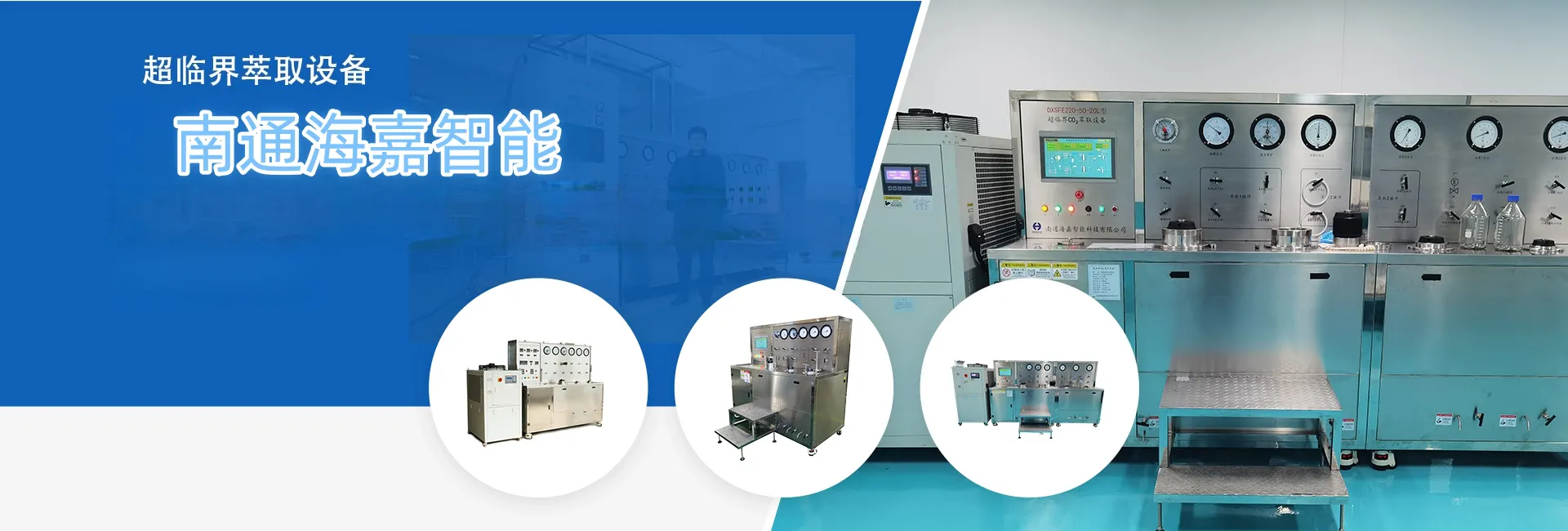
Supercritical fluid provides new ideas and methods for the industrial production of graphene, mainly reflected in the use of its special properties to achieve efficient, environmentally friendly and low-cost graphene preparation, as follows:
unique peeling mechanism: Supercritical fluid has high dispersion and strong permeability, easy to enter the graphite layer to form an intercalation structure. When the pressure relief is rapid, the supercritical fluid expands significantly, releasing a lot of energy to overcome the van der Waals force between the graphite layers, thereby peeling graphite into single or small layers of graphene, to achieve a controlled preparation of the number of graphene layers. Green environmental advantages: The commonly used supercritical carbon dioxide critical conditions are mild, and it has the advantages of non-toxicity, inertness, low price and easy separation from the product. There is no need to use harmful substances such as strong acid and alkali in the preparation process, which avoids the environmental pollution problems that may occur in traditional methods and meets the green development requirements of industrial production. Improve production efficiency 2: Supercritical fluid treatment time is short. The research team of Northeastern University shortened the supercritical fluid treatment time to about 80 seconds by using supercritical ethanol and other fluids. Compared with traditional batch reactors, graphene capacity has achieved a leap growth of more than 100 times. Cost-benefit potential 1: Supercritical fluid technology can peel, separate and purify into one. The research of Professor Zhao Yaping's team at Shanghai Jiao Tong University shows that the SCME process based on supercritical carbon dioxide synergistic mechanical peeling is economically feasible in large-scale production. It has cost and yield competitive advantages by integrating factors such as equipment, energy consumption and raw material costs. Other technologies can be combined: Supercritical fluid peeling can be combined with other technical means to further improve peeling efficiency and product quality, such as ultrasonic assisted or fluid shear technology. In addition, by adding molecular wedges such as pyrene-based polymers, the diffusion effect of supercritical fluid between graphite layers can be enhanced, and graphite can be peeled into graphene more effectively.


